

Dungeon Crawler Carl: When Gaming Meets Apocalypse – A LitRPG Series Review
When Earth becomes an intergalactic reality TV show and humanity’s only chance for survival is descending through 18 deadly dungeon floors, you know you’re in for something special. Matt Dinniman’s Dungeon Crawler Carl doesn’t just capture the essence of RPG gaming—it transforms it into something darker, funnier, and surprisingly heartfelt. With millions of readers and consistently high ratings across platforms, this series has become the gold standard for LitRPG fiction that actually understands gaming culture.
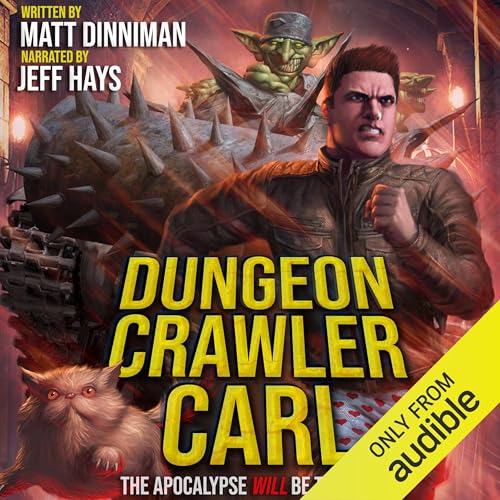
For game masters seeking fresh inspiration and players curious about how RPG mechanics translate into compelling narrative, Dungeon Crawler Carl offers a masterclass in progression systems, world-building, and the delicate balance between comedy and genuine stakes. This isn’t just another “trapped in a game” story—it’s a sophisticated exploration of what makes RPGs work, wrapped in an apocalyptic survival tale that will leave you questioning your own dungeon design philosophy.
The RPG System Deep Dive
Game Mechanics That Actually Make Sense
What sets Dungeon Crawler Carl apart from other LitRPG series is how thoroughly Dinniman understands RPG progression systems. The leveling mechanics feel familiar to anyone who’s played tabletop games, but with enough unique twists to keep experienced gamers engaged. Characters gain experience through combat, exploration, and completing objectives, with skill points allocated across multiple trees that allow for genuine specialization.
The loot system operates on the classic white-to-legendary rarity scale, but each piece of equipment comes with flavor text that ranges from hilarious to surprisingly poignant. More than cosmetic descriptions, these items often provide tactical advantages that require strategic thinking. Carl’s progression from a basic “Custodial Engineer” class to more specialized builds demonstrates how thoughtful character development can drive narrative tension.
Princess Donut’s companion bonding system introduces mechanics that many tabletop groups would benefit from adopting. Rather than treating animal companions or familiars as afterthoughts, the series shows how these relationships can evolve mechanically and narratively. Her AI-driven personality development and unique class abilities provide a template for creating memorable NPC companions that feel genuinely helpful rather than burdensome.
Adapting the Mechanics for Tabletop
The dungeon floor progression system translates beautifully to campaign design. Each floor introduces new environmental challenges, enemy types, and thematic elements while maintaining mechanical consistency. Game masters could easily adapt this structure for long-term campaigns, using the “broadcast” element to create external pressure and time limits that keep players engaged.
The sponsor system offers fascinating possibilities for patron mechanics in systems like D&D 5e or Pathfinder. Rather than traditional warlock relationships, imagine patrons who provide equipment and bonuses based on entertainment value and audience engagement. This creates opportunities for players to make dramatic choices that benefit the group while advancing personal storylines.
World Building and GM Inspiration
The Dungeon Show Concept
The series’ central premise—Earth’s survivors forced to entertain an intergalactic audience—provides endless inspiration for campaign design. The alien entertainment industry operates on recognizable reality TV tropes while maintaining internal consistency about technology and social structures. Each floor represents a different “show,” complete with audience participation mechanics that influence loot drops and challenge difficulty.
The sponsor system creates natural relationships between characters and external forces without feeling forced or overly complicated. Sponsors provide equipment and information in exchange for entertainment value, creating a feedback loop that rewards creative problem-solving and dramatic roleplay. This mechanic could easily be adapted for campaigns where players need external support but want to avoid traditional patron relationships.
The broadcast element adds layers of complexity that experienced groups would enjoy. Knowing that actions have consequences beyond immediate survival creates interesting moral dilemmas and strategic considerations. Players must balance optimal tactics with entertainment value, leading to decisions that prioritize group dynamics over individual advancement.
Environmental Storytelling
Each dungeon floor tells a story through environmental design and challenge structure. From shopping mall survival scenarios to cosmic horror references, the series demonstrates how setting and mechanics can work together to create memorable experiences. Game masters will find inspiration for integrating lore and challenge design in ways that feel organic rather than exposition-heavy.
The way Dinniman handles escalating threats while maintaining character agency provides excellent examples of challenge scaling. Early floors focus on basic survival and resource management, while later levels introduce complex social dynamics and ethical choices that require genuine problem-solving skills.
Character Progression Analysis
Carl’s Development Arc
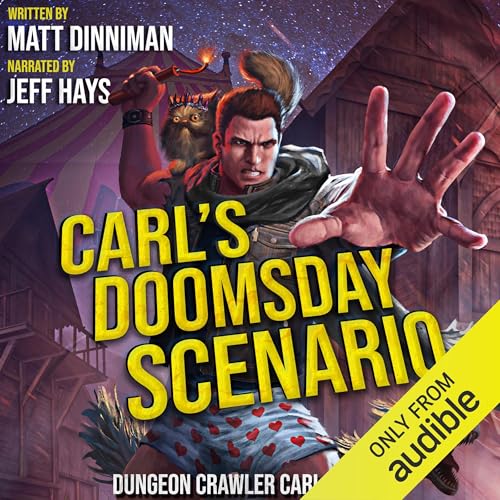
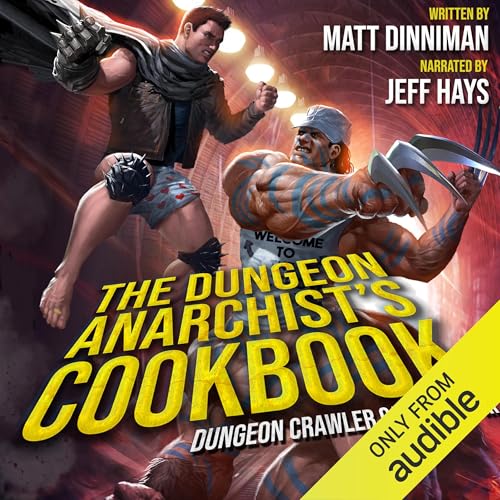
Carl’s transformation from an ordinary maintenance worker to a competent dungeon crawler illustrates how character development can drive mechanical progression without sacrificing personality. His skill acquisition feels earned rather than arbitrary, with each new ability reflecting lessons learned from previous challenges. The balance between competence and vulnerability keeps him relatable even as his capabilities expand.
His leadership evolution provides excellent examples for players who struggle with taking initiative in group settings. Carl’s approach to decision-making—weighing group needs against individual survival—demonstrates how effective party leadership can emerge organically from shared experiences rather than assigned roles.
Princess Donut’s AI Companion Dynamics
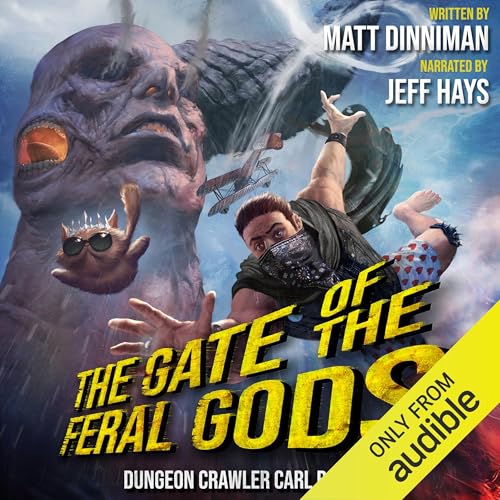
Donut’s character progression offers a template for creating memorable NPC companions that enhance rather than overshadow player agency. Her unique class abilities complement Carl’s skills without duplicating them, and her AI-driven personality development provides opportunities for genuine character growth that feels earned rather than programmed.
The relationship between Carl and Donut demonstrates how player-NPC relationships can evolve mechanically and emotionally without falling into common pitfalls. Their partnership feels collaborative rather than hierarchical, with each character contributing unique strengths to challenges that require diverse skill sets.
Series Progression and Pacing
Managing Power Scaling
One of the series’ greatest strengths is how it handles the classic LitRPG problem of power inflation. As characters gain levels and abilities, challenges scale appropriately without making previous accomplishments feel meaningless. The dungeon structure provides natural break points that allow for reflection and planning between major story beats.
The introduction of new mechanics happens gradually, with each system building on previously established concepts rather than replacing them entirely. This approach prevents the overwhelming complexity that often plagues long-running RPG campaigns while maintaining the sense of progression that keeps players engaged.
Maintaining Stakes Across Books
Despite increasingly powerful abilities and equipment, the series maintains genuine tension by introducing new types of challenges that require different approaches. Social encounters become as important as combat situations, and resource management remains relevant even when characters have access to better equipment.
The way Dinniman balances comedy with serious consequences provides excellent examples for game masters who want to incorporate humor without undermining dramatic tension. Characters can joke about their situation while still facing genuine threats that require careful planning and execution.
RPG Community Integration
Fan Adaptations and Homebrew Content
The series has inspired numerous fan-created adaptations for various tabletop systems, with active communities on Reddit and Discord sharing homebrew classes, equipment tables, and adventure modules. The r/litrpg and r/DMAcademy communities regularly discuss how to incorporate elements from the series into their own games.
Several creators have developed character progression trackers and loot generators based on the series’ systems, providing tools that groups can use to enhance their own campaigns. These resources demonstrate how well-designed fictional systems can inspire real gameplay innovations.
Digital Support Tools
Online character builders that incorporate the series’ class progression and equipment systems have become popular among fans who want to experiment with character builds. These tools often include random generation features that capture the series’ blend of strategic choice and unexpected consequences.
Cross-Reference Opportunities
Related LitRPG Series
Readers who enjoy Dungeon Crawler Carl often gravitate toward series like He Who Fights with Monsters for similar progression complexity and Defiance of the Fall for apocalyptic survival themes. The series also shares DNA with classic dungeon-crawling board games and modern computer RPGs that emphasize character customization.
Tabletop System Connections
The series’ mechanics work well with systems that emphasize character customization and environmental storytelling. D&D 5e campaigns could easily incorporate the sponsor system and floor progression structure, while indie RPG systems like City of Mist might better capture the series’ blend of mundane and fantastic elements.
For groups interested in comedy-focused games, the series provides excellent examples of how humor can enhance rather than undermine dramatic tension. The balance between absurd situations and genuine character development offers lessons for any group looking to incorporate more levity into their sessions.
Adaptation Guide: Running Your Own Dungeon Show Campaign
Session Zero Considerations
Before launching a Dungeon Crawler Carl-inspired campaign, establish clear expectations about tone and content. The series blends dark humor with genuinely threatening situations, and not all groups will be comfortable with this combination. Discuss themes of survival, competition, and moral ambiguity to ensure everyone understands what they’re signing up for.
The broadcast element requires player buy-in for dramatic choices that might not be tactically optimal. Characters need reasons to take risks and make entertaining decisions, which means players must be willing to prioritize story development over mechanical optimization.
Implementing Sponsor Mechanics
Create a roster of potential sponsors with distinct personalities and mechanical benefits. Each sponsor should offer unique equipment or information that reflects their “brand” and audience preferences. Action-focused sponsors might provide combat gear, while puzzle-oriented sponsors could offer investigation tools or lore-based advantages.
Establish clear criteria for sponsor approval and disappointment to create meaningful consequences for player choices. Entertainment value becomes a resource that players must manage alongside traditional concerns like health and equipment durability.
Managing Audience Participation
Develop systems for audience influence that feel impactful without overwhelming player agency. Random loot drops, environmental changes, or temporary buffs can represent viewer engagement without forcing specific decisions. Create opportunities for players to directly appeal to the audience through dramatic gestures or creative problem-solving.
The key is making audience reaction feel like a natural part of the world rather than an intrusive meta-gaming element. When done well, it adds an extra layer of strategic consideration that enhances rather than complicates decision-making.
Pros and Cons Analysis
Strengths
The series excels at creating progression mechanics that feel both familiar and innovative, with character development that drives plot advancement rather than simply serving as window dressing. The balance between humor and genuine stakes creates emotional investment without sacrificing entertainment value. Most importantly for RPG fans, the systems feel like they could actually work in a game setting, with clear rules and consistent internal logic.
The relationship between Carl and Princess Donut provides an excellent template for player-NPC dynamics that enhance rather than overshadow character agency. Their partnership demonstrates how effective teamwork can emerge from complementary skill sets and mutual respect rather than hierarchical structures.
The world-building creates a setting that feels both fantastical and grounded, with enough familiar elements to be accessible while introducing enough unique concepts to maintain interest across multiple books.
Considerations for Gaming Groups
The series’ dark humor and survival themes may not appeal to all gaming groups, particularly those who prefer more traditional fantasy settings or lighter tones. The competitive elements inherent in the dungeon show concept might create tension in groups that prioritize cooperation over individual achievement.
The complex progression systems, while engaging for experienced gamers, might overwhelm newcomers to RPG mechanics. Groups would need to carefully consider how much mechanical complexity they want to incorporate when adapting elements for their own games.
Some of the series’ most compelling elements—the broadcast audience and sponsor systems—require significant GM preparation and ongoing management that might not be sustainable for all campaigns.
Who Should Read This Series
Dungeon Crawler Carl works best for readers who appreciate detailed progression systems and aren’t put off by dark humor in survival situations. Game masters looking for fresh approaches to campaign design will find endless inspiration, while players interested in character optimization will enjoy the series’ approach to meaningful choices in character development.
Groups that enjoy session zero discussions about tone and expectations will appreciate how the series handles moral ambiguity and competitive elements. The balance between individual advancement and group survival creates interesting dynamics that translate well to collaborative storytelling environments.
Next Steps for Interested Readers
Start with “Slaughterhouse Blues” to experience the series’ unique blend of humor and genuine stakes. The audiobook version, narrated by Jeff Hays, captures the series’ tone particularly well and includes sound effects that enhance the gaming atmosphere.
For game masters inspired to incorporate elements into their own campaigns, focus on the sponsor system and floor progression structure first. These elements are easier to implement than the full broadcast concept and provide immediate benefits for campaign pacing and player engagement.
Consider joining online communities discussing the series to see how other groups have adapted elements for their own games. The active fan base provides excellent resources for anyone interested in exploring the series’ gaming potential beyond the books themselves.
Have you tried adapting LitRPG mechanics to your tabletop games? Share your experiences in the comments below! Whether you’ve experimented with sponsor systems, progression mechanics, or just borrowed story elements, we’d love to hear how literature has influenced your gaming table.
For more LitRPG recommendations and tabletop adaptation guides, check out our complete book recommendations or explore our GM tips for campaign management.
RPG news, GM tips, and system deep dives — straight to your inbox, no filler.


