What is a TTRPG? Exploring Tabletop RPG Basics
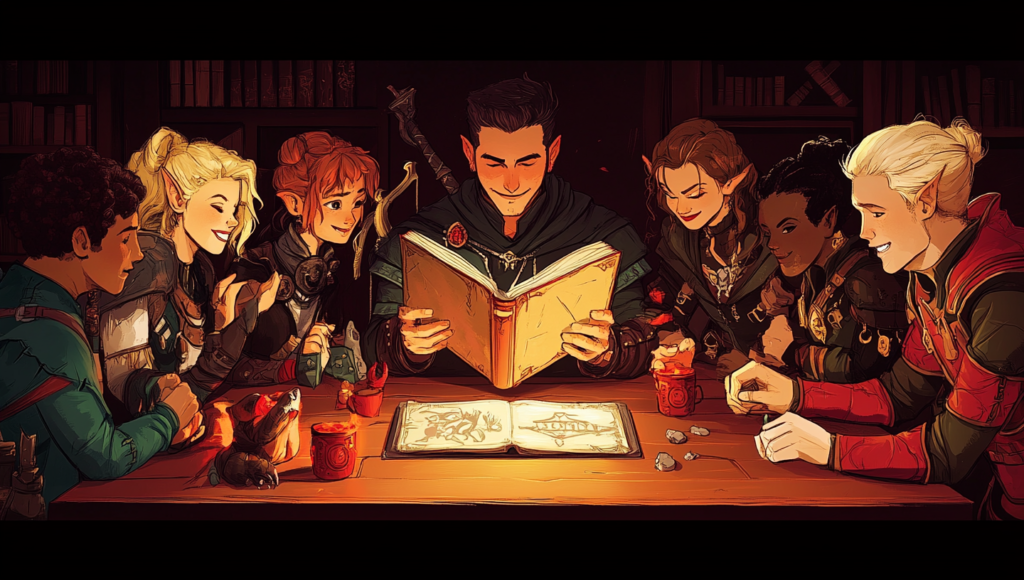
A tabletop role-playing game (TTRPG) is a fun, interactive game where friends gather to tell stories together. In a TTRPG, you create a character and team up with other players to go on exciting adventures guided by a Game Master.
Unlike video games or board games, TTRPGs rely on your imagination and teamwork to bring the story to life. You’ll roll dice, make choices, and work together to overcome challenges in a world of fantasy, science fiction, or any genre you choose.
TTRPGs have become increasingly popular, offering a unique mix of storytelling, problem-solving, and social interaction that appeals to people of all ages and backgrounds.

The Anatomy of a TTRPG: Beyond Dice and Character Sheets
Have you ever wondered what makes a tabletop role-playing game (TTRPG) tick? It’s not just about rolling dice and filling out character sheets. TTRPGs are a unique blend of storytelling, imagination, and teamwork that create unforgettable adventures. Let’s dive into the key ingredients that make these games so special!
The Essential Elements of a TTRPG
At its heart, a TTRPG is like a group of friends sitting around a campfire, telling stories together. But instead of just listening, everyone gets to be part of the story! Here’s what you need to bring this magical experience to life:
- Game Master (GM): Think of the GM as the director of a movie, but for a game. They set the scene, play all the other characters in the world, and help guide the story. The GM is like a friendly tour guide for your imagination!
- Players: These are the stars of the show! Each player creates a character and decides what that character does in the game world. It’s like being the main character in your own adventure story.
- Rulebooks: These books are like instruction manuals for the game. They tell you how to create characters, what your character can do, and how to resolve challenges. Don’t worry, though – you don’t need to memorize everything!
- Dice: These aren’t your ordinary board game dice. TTRPGs often use special dice with different numbers of sides. Rolling these dice adds an element of chance to the game, making every action exciting and unpredictable.
- Character Sheets: Think of these as your character’s report card. They show what your character is good at, what they look like, and what cool stuff they have. It’s like creating your own superhero trading card!
But here’s the most important ingredient: imagination! Without it, all these other parts are just paper and plastic. In a TTRPG, you and your friends use your imagination to bring a whole new world to life.
The Magic of Collaborative Storytelling
What makes TTRPGs really special is how everyone works together to create the story. It’s not like a video game where everything is already programmed. In a TTRPG, anything can happen!
Imagine you’re playing a fantasy game, and your group comes across a dragon. In a video game, you might only have a few options: fight it, run away, or maybe try to talk to it. But in a TTRPG, you could:
- Try to befriend the dragon
- Convince it to help you defeat the evil wizard
- Attempt to steal its treasure while it’s sleeping
- Organize a dragon talent show
The only limit is your imagination! This is what we call collaborative storytelling. Everyone at the table contributes to the story, making it a unique experience every time you play.
How TTRPGs Stand Out from Other Games
TTRPGs are in a league of their own when it comes to gaming. Here’s what makes them so unique:
- Endless Possibilities: Unlike board games with fixed rules or video games with programmed scenarios, TTRPGs offer infinite possibilities. If you can think it, you can try it!
- Social Interaction: TTRPGs are all about playing with friends. You’re not just staring at a screen – you’re laughing, planning, and creating memories together.
- Character Development: Your character grows and changes over time, just like in a good book or TV show. You get to shape their personality and watch them become heroes (or villains)!
- Creativity Boost: TTRPGs encourage you to think outside the box. Need to cross a river? Maybe you’ll build a raft, tame a giant eagle, or invent a magical teleporter!
- Learning Opportunities: While you’re having fun, you’re also developing skills like problem-solving, teamwork, and storytelling.
The Power of Emergent Narratives in TTRPGs
Now, let’s talk about something really cool in TTRPGs: emergent storytelling. It’s a fancy term, but it simply means that the story develops naturally based on what the players do, often in ways that surprise everyone – even the Game Master!
Unexpected Twists and Turns
In a TTRPG, the story can take wild and unexpected turns based on player choices. Here are some examples:
- The players were supposed to slay the dragon, but instead, they convinced it to become their ally against the evil king.
- A character makes an offhand comment about liking cheese, and it somehow leads to uncovering a secret underground cheese smuggling ring.
- The group adopts a seemingly harmless pet during their journey, only to discover later that it’s actually a powerful, shape-shifting guardian of an ancient temple.
These unplanned story elements often become the most memorable parts of the game. It’s like when you’re telling a joke, and someone adds a funny comment that makes it even better – that’s emergent storytelling in action!
How Emergent Storytelling Keeps Players Hooked
This unpredictable nature of TTRPGs is what keeps players coming back for more. Here’s why:
- Every Game is Unique: Because the story emerges from player actions, no two games are ever the same. It’s like having a new adventure every time you play!
- Player Agency: Your choices really matter. Unlike in a video game where you might have limited options, in a TTRPG, your decisions can completely change the course of the story.
- Surprises for Everyone: Even the GM doesn’t always know what’s going to happen next. This keeps the game exciting for all participants.
- Creative Problem-Solving: Emergent storytelling encourages players to think creatively. A simple problem like crossing a river can turn into an epic tale of ingenuity and teamwork.
- Emotional Investment: When players shape the story, they become more invested in the world and their characters. It’s like being the author of your own favorite book!
Bringing It All Together
TTRPGs are more than just games – they’re a unique form of interactive storytelling. By combining rules, dice, and imagination, they create a playground for creativity and collaboration. The emergent narratives that arise from player choices make each game a one-of-a-kind experience, full of surprises and memorable moments.
Whether you’re slaying dragons, solving mysteries, or exploring alien worlds, TTRPGs offer an adventure like no other. They bring friends together, spark creativity, and create stories that live on long after the dice stop rolling.
So, the next time someone asks you, “What is a tabletop role-playing game?”, you can tell them it’s not just a game – it’s a ticket to endless adventures, limited only by the bounds of your imagination. Who knows? Maybe you’ll inspire them to start their own TTRPG journey!
TTRPG Genres: From Fantasy Realms to Sci-Fi Frontiers
Tabletop role-playing games (TTRPGs) offer a vast array of genres for players to explore. From classic fantasy settings to futuristic sci-fi adventures, there’s a TTRPG genre for every taste. Let’s dive into the exciting world of TTRPG genres and discover the diverse storytelling possibilities they offer!
Fantasy
Fantasy is the bread and butter of TTRPGs. It’s where it all began with Dungeons & Dragons, and it remains incredibly popular today. In fantasy TTRPGs, players create characters like brave knights, cunning wizards, or sneaky rogues. They explore magical worlds filled with dragons, elves, and ancient artifacts.
Imagine you’re a young wizard learning spells at a magic school, or a fierce warrior defending your village from evil creatures. That’s the kind of adventure you can have in a fantasy TTRPG!
Science Fiction
Sci-fi TTRPGs take players to the stars and beyond. You might pilot a spaceship, explore alien planets, or fight off robot invasions. These games often involve high-tech gadgets, space battles, and encounters with strange alien life forms.
Picture yourself as a space explorer discovering new worlds, or a rebel fighting against an evil galactic empire. Sci-fi TTRPGs let you live out these thrilling stories!
Horror
For those who love a good scare, horror TTRPGs offer spine-chilling adventures. Players might investigate haunted houses, battle monsters, or try to survive in a zombie apocalypse. These games often focus on building suspense and creating a spooky atmosphere.
Think about being a ghost hunter exploring an abandoned mansion, or a survivor in a world overrun by vampires. Horror TTRPGs bring these scary scenarios to life!
Superhero
Superhero TTRPGs let players become the caped crusaders they’ve always dreamed of being. You can create your own superhero with unique powers, fight supervillains, and save the world from destruction.
Imagine designing your very own superhero costume and powers, then teaming up with friends to stop an evil mastermind’s plot. That’s the kind of excitement superhero TTRPGs offer!
Historical
Historical TTRPGs transport players to different time periods in the past. You might be a cowboy in the Wild West, a knight in medieval Europe, or a spy during World War II. These games often blend real historical events with exciting adventures.
Picture yourself as a pirate sailing the high seas in search of treasure, or a detective solving mysteries in Victorian London. Historical TTRPGs let you step back in time and experience these exciting eras!
Niche and Lesser-Known TTRPG Genres
While the genres above are quite popular, there are many other unique and interesting TTRPG genres to explore:
Steampunk
Steampunk TTRPGs combine Victorian-era aesthetics with fantastical technology powered by steam. Players might pilot airships, create wild inventions, or uncover conspiracies in a world of brass and gears.
Post-Apocalyptic
These games take place after a world-ending disaster. Players must survive in a harsh, changed world, scavenging for resources and facing new dangers.
Cyberpunk
Set in a high-tech, low-life future, cyberpunk TTRPGs feature hackers, cybernetic enhancements, and mega-corporations. Players navigate a world where technology has advanced but society has declined.
Weird West
This genre mixes the Wild West with supernatural elements. Imagine cowboys fighting zombies or Native American shamans battling evil spirits!
Urban Fantasy
Urban fantasy TTRPGs bring magic and mythical creatures into modern-day cities. Players might be werewolves living in New York or wizards running a magical detective agency in Chicago.
How Different Genres Cater to Player Interests
The wide variety of TTRPG genres means there’s something for everyone. Here’s how different genres appeal to various player interests:
Action-Oriented Players
For those who love combat and exciting battles, genres like superhero, science fiction, and fantasy often feature plenty of action-packed encounters.
Mystery Lovers
Horror and detective-themed games cater to players who enjoy solving puzzles and uncovering secrets.
World-Builders
Genres like fantasy and science fiction offer rich opportunities for creative players to help build and shape the game world.
History Buffs
Historical and alternate history TTRPGs allow players to explore and interact with different time periods and cultures.
Social Players
Urban fantasy and political intrigue games often focus more on character interactions and social maneuvering.
Tech Enthusiasts
Cyberpunk and hard science fiction games appeal to players who love exploring futuristic technology and its implications.
Storytelling Styles in Different Genres
Each TTRPG genre lends itself to different storytelling approaches:
Epic Quests
Fantasy and superhero genres often feature grand, world-saving adventures with clear heroes and villains.
Personal Drama
Horror and urban fantasy games might focus more on character development and personal struggles.
Exploration and Discovery
Science fiction and post-apocalyptic genres often emphasize exploring unknown territories and uncovering secrets.
Political Intrigue
Historical and cyberpunk games might involve complex webs of alliances, betrayals, and power struggles.
Survival and Resource Management
Post-apocalyptic and some horror games focus on the challenges of staying alive in hostile environments.
The beauty of TTRPGs is that they can blend these genres and storytelling styles to create unique experiences. A game might combine elements of fantasy and horror, or mix historical settings with science fiction elements. This flexibility allows players and game masters to create exactly the kind of adventure they want to experience.
Whether you dream of casting spells, piloting spaceships, solving mysteries, or anything in between, there’s a TTRPG genre out there for you. The only limit is your imagination! So gather your friends, pick a genre that excites you, and start rolling those dice. Who knows what amazing stories you’ll create together?
Remember, the most important thing in any TTRPG is to have fun and enjoy the shared storytelling experience. Don’t be afraid to try different genres and find the ones that spark your creativity and bring you joy. Happy gaming!
The Hidden Benefits: TTRPGs as Tools for Personal Growth
Tabletop role-playing games (TTRPGs) are more than just fun and games. They’re powerful tools for personal growth and development. Let’s dive into the hidden benefits of these imaginative adventures and how they can help you level up in real life!
Boosting Cognitive and Social Skills
When you sit down to play a TTRPG like Dungeons & Dragons, you’re not just rolling dice and fighting monsters. You’re actually flexing some serious mental muscles! Here’s how:
- Problem-solving: TTRPGs throw all sorts of challenges at players. Whether you’re figuring out a tricky puzzle or planning a battle strategy, you’re constantly using your brain to solve problems.
- Creativity: Ever had to come up with a clever way to distract a guard or convince a stubborn king? That’s your imagination at work! TTRPGs encourage players to think outside the box and come up with creative solutions.
- Teamwork: Most TTRPGs are played in groups, which means you’re always working together with your fellow adventurers. This helps build collaboration skills that are super useful in school and work.
- Empathy: When you play a character different from yourself, you’re stepping into someone else’s shoes. This can help you understand different perspectives and boost your empathy in real life.
- Communication: Whether you’re describing your character’s actions or negotiating with other players, TTRPGs are all about clear communication. The more you play, the better you get at expressing yourself.

But don’t just take our word for it! Research has shown that playing TTRPGs can have real benefits. For example, a study of college students found that those who played TTRPGs had better problem-solving skills than those who didn’t. Another study showed that playing TTRPGs could help people become more confident in social situations.
TTRPGs in Education and Therapy
Teachers and therapists are starting to catch on to the power of TTRPGs. Here’s how these games are being used to help people learn and heal:
- Education: Some clever teachers are using TTRPGs to teach subjects like history, literature, and even math. Imagine learning about ancient Rome by playing a game set in that time period!
- Social skills training: For kids who struggle with social interactions, TTRPGs can be a safe place to practice. They can learn turn-taking, cooperation, and how to read social cues.
- Therapy: Some therapists use TTRPGs to help people work through issues like anxiety and depression. The games provide a safe space to explore emotions and try out new behaviors.
- Language learning: TTRPGs are great for practicing a new language. Players have to describe actions, ask questions, and negotiate with others, all great ways to improve language skills.
- Team building: Companies are even using TTRPGs for team-building exercises. It’s a fun way to improve communication and collaboration among coworkers.
One cool example is a program called “Game to Grow,” which uses D&D to help kids with autism improve their social skills. The kids learn to work together, take turns, and understand different perspectives, all while having a blast slaying dragons!
TTRPGs in the Digital Age: Online Play and Virtual Tabletops
The world of TTRPGs has come a long way from gathering around a table with pencils and paper. Now, you can embark on epic quests from the comfort of your couch! Let’s explore how TTRPGs have adapted to the digital age.
The Rise of Online Play
Remember when playing a TTRPG meant getting everyone in the same room? Those days are long gone! Now, players can connect from anywhere in the world using online platforms. Here’s how it works:
- Video chat: Services like Zoom, Discord, or Google Meet let players see and hear each other, just like they’re sitting at the same table.
- Digital dice: No more lost dice under the couch! Online dice rollers make it easy to roll any combination of dice with just a click.
- Character sheets: Digital character sheets make it simple to track your character’s stats, inventory, and abilities.
- Virtual tabletops: These are special platforms designed just for TTRPGs. They let you create maps, move tokens around, and even add special effects!
Some popular virtual tabletop platforms include Roll20, Fantasy Grounds, and Foundry VTT. Each has its own features, but they all aim to recreate the tabletop experience online.
Benefits of Virtual Tabletop Gaming
Playing TTRPGs online isn’t just convenient – it comes with some cool perks:
- Global gaming: You can play with friends (or make new ones) from all over the world. No more being limited to your local gaming group!
- Scheduling made easy: It’s often easier to get a group together when nobody has to travel. You can even play shorter sessions more frequently.
- Enhanced visuals: Virtual tabletops let you use digital maps, tokens, and even sound effects to bring your game to life.
- Accessibility: Online play makes TTRPGs more accessible to people who might have trouble attending in-person games due to distance, disability, or other factors.
- Recording and replay: Many online platforms let you record your sessions, so you can relive your favorite moments or catch up if you miss a game.
Challenges of Online Play
Of course, playing online isn’t always perfect. Here are a few challenges:
- Technical issues: Slow internet, software glitches, or computer problems can disrupt the game.
- Learning curve: It takes time to get used to the digital tools and platforms.
- Missing the physical element: Some players miss the tactile feel of rolling real dice or moving physical miniatures.
- Distractions: It can be harder to stay focused when playing from home, with all your usual distractions around.
Despite these challenges, many players find that the benefits of online play outweigh the drawbacks.
Expanding Access to TTRPGs Globally
The shift to online play has had a huge impact on the TTRPG community. Here’s how:
- Diverse player base: Online play has made TTRPGs more accessible to people from different backgrounds and cultures.
- Niche games thrive: Lesser-known TTRPGs can find audiences more easily online, leading to a more diverse gaming landscape.
- Learning resources: New players can find tutorials, streams, and forums to help them get started.
- Conventions go virtual: Many TTRPG conventions now offer online components, allowing more people to participate.
- Game development: The online shift has inspired new types of TTRPGs designed specifically for digital play.
The digital age has truly transformed TTRPGs, making them more accessible and diverse than ever before. Whether you prefer gathering around a physical table or connecting through a screen, there’s never been a better time to dive into the world of tabletop role-playing games. So grab your dice (real or virtual), create a character, and let the adventure begin!
TTRPG Communities: Finding Your Tribe
Have you ever wanted to slay dragons, explore alien planets, or solve magical mysteries? If so, you’re in for a treat! Tabletop role-playing games (TTRPGs) offer all this and more. But where do you start? How do you find other players who share your passion? Let’s dive into the exciting world of TTRPG communities and discover how to find your perfect gaming group.
The Power of Community in TTRPGs
Imagine sitting around a table with friends, rolling dice, and creating epic stories together. That’s the magic of TTRPGs! Whether you’re a newbie or a seasoned player, being part of a TTRPG community can make your gaming experience even more awesome.
For newcomers, communities are like friendly guides. They help you learn the ropes, understand game rules, and feel welcome in this fantastic hobby. Veterans benefit too! They can share their knowledge, discover new games, and make lifelong friendships.
So, how do you find these amazing communities? Don’t worry, we’ve got you covered!
Online Resources: Your Digital Gateway to TTRPGs
The internet is a treasure trove for TTRPG enthusiasts. Here are some great places to start your quest:
- Reddit: Check out subreddits like r/rpg or r/DnD. They’re packed with discussions, advice, and even “looking for group” (LFG) posts.
- Discord: Join TTRPG-focused Discord servers. You’ll find channels for different games, character creation help, and people looking to play online.
- Roll20: This virtual tabletop platform has a built-in game finder. It’s perfect for joining online games or finding local groups.
- Meetup.com: Search for TTRPG or specific game meetups in your area. It’s a great way to find local players and game nights.
Offline Adventures: Finding Real-World Gaming Groups
While online communities are awesome, there’s something special about playing face-to-face. Here’s how to find local TTRPG groups:
- Game Stores: Your friendly local game store is a hub for TTRPG activity. Many host game nights, have bulletin boards for LFG posts, or can point you towards local groups.
- Libraries: Some libraries host TTRPG events or have gaming clubs. It’s a great place to meet fellow players in a relaxed setting.
- Colleges and Universities: If you’re a student, check if your school has a gaming club. They often welcome non-students too!
- Conventions: TTRPG conventions are like Disneyland for gamers! You’ll find tournaments, workshops, and tons of people eager to play.
The Heart of TTRPG Culture: Conventions, Stores, and Forums
TTRPGs aren’t just games; they’re a vibrant culture. Let’s explore some key elements:
Conventions: These are the big celebrations of all things TTRPG. From small local gatherings to massive events like Gen Con, conventions offer: – Chances to try new games – Workshops on game mastering and worldbuilding – Opportunities to meet game designers and artists – A place to buy cool dice, miniatures, and other gaming gear
Game Stores: These are the local hubs of TTRPG culture. They often: – Host regular game nights – Offer space for groups to play – Sell rulebooks, dice, and other gaming supplies – Provide a place for players to meet and chat about their favorite games
Online Forums: These digital spaces keep the TTRPG community connected 24/7. They’re great for: – Sharing character ideas and campaign stories – Getting rules clarifications – Discussing game theory and design – Finding inspiration for your next adventure
Remember, TTRPGs are all about having fun and telling great stories together. Don’t be shy about reaching out to communities. Most TTRPG players are friendly and welcoming to newcomers. After all, every expert was once a beginner too!
The Rise of Actual Play: TTRPGs as Entertainment
Have you ever wondered what it would be like to watch other people play TTRPGs? Well, you’re not alone! Actual Play content has taken the internet by storm, turning TTRPG sessions into must-watch entertainment.
What is Actual Play?
Actual Play refers to recordings or live streams of people playing TTRPGs. It’s like peeking behind the DM’s screen and joining in on all the fun, without rolling a single die yourself!
These shows come in different flavors: – Podcasts: Audio-only recordings of game sessions – YouTube series: Edited videos of gameplay, often with added visuals – Live streams: Real-time broadcasts on platforms like Twitch
Some popular Actual Play shows include: – Critical Role – The Adventure Zone – Dimension 20
How Actual Play is Changing the Game
Actual Play content has had a huge impact on the TTRPG hobby. Here’s how:
- Attracting New Players: Many people discover TTRPGs through Actual Play shows. Watching others have fun often sparks interest in trying the games themselves.
- Teaching Game Mechanics: New players can learn rules and gameplay by watching experienced groups in action.
- Inspiring Creativity: Actual Play shows demonstrate different storytelling styles and character concepts, inspiring viewers in their own games.
- Building Community: Fans of Actual Play shows often form their own communities, discussing episodes and sharing their love for TTRPGs.
The Impact on Game Design and Player Expectations
The popularity of Actual Play has influenced how TTRPGs are designed and played:
- Emphasis on Storytelling: Many new games focus more on narrative and character development, inspired by the dramatic moments in Actual Play shows.
- Rule Adaptations: Some game designers are creating rules that work well for both home play and performative Actual Play settings.
- Production Value: Players might invest more in props, miniatures, or digital tools to enhance their game experience, inspired by what they see in shows.
- GM Expectations: Game Masters might feel pressure to match the polish and performance of Actual Play hosts. Remember, it’s okay to be yourself and have fun!
Joining the Actual Play Community
Excited about Actual Play? Here’s how you can get involved:
- Watch and Listen: Start by exploring different Actual Play shows. Find styles and games that interest you.
- Join Fan Communities: Many shows have active fan bases on social media or forums. It’s a great way to discuss episodes and meet fellow fans.
- Try It Yourself: Consider recording your own game sessions. You don’t need fancy equipment – just a smartphone and willing players can be enough to start.
- Attend Live Shows: Some Actual Play groups perform live at conventions or theaters. It’s an amazing experience to watch a game unfold in person!
Remember, while Actual Play shows are fun to watch, your home game doesn’t need to be a performance. The most important thing is that you and your friends are having a good time!
TTRPGs are all about imagination, storytelling, and having fun with friends. Whether you’re rolling dice at a local game store, tuning into your favorite Actual Play show, or running a game for your family, you’re part of an amazing, creative community. So grab your dice, gather your friends, and let the adventures begin!
Embarking on Your TTRPG Adventure: The Journey Begins Here
As a fellow adventurer in the realm of tabletop role-playing games, I can’t stress enough how transformative this hobby can be. From forging lifelong friendships to unlocking your creative potential, TTRPGs offer a unique blend of storytelling, strategy, and personal growth. Whether you’re a seasoned dungeon master or a curious newcomer, there’s always more to explore in this vibrant community.
Ready to roll the dice on your next adventure? Dive deeper into the world of TTRPGs by exploring our other articles or connecting with like-minded enthusiasts.
RPG news, GM tips, and system deep dives — straight to your inbox, no filler.