
10 Essential Things to Know About Call of Cthulhu RPG
In the vast landscape of tabletop roleplaying games, Call of Cthulhu stands as a unique and haunting experience that has captivated players for decades. Whether you’re a seasoned RPG veteran or a curious newcomer, here are ten crucial things you should know about this legendary game of cosmic horror.

1. A Different Kind of Dice Rolling
At the heart of Call of Cthulhu lies the Basic Roleplaying System (BRP), which uses percentile dice (d100) for resolving actions. This elegant system requires rolling two ten-sided dice to generate a number between 1 and 100, with success determined by rolling under your skill level.
This straightforward approach makes the game remarkably intuitive – if you have a 60% in Library Use, you need to roll 60 or lower to succeed. The system’s simplicity allows players to focus on the narrative and atmosphere rather than complex rule calculations.
The percentile system also introduces varying degrees of success and failure, adding depth to every roll. Critical successes (rolling one-fifth of your skill) and fumbles (rolling 96-100) can dramatically alter the course of an investigation, creating memorable moments of triumph or terror.
2. Journey Back to the Roaring Twenties
While Call of Cthulhu offers flexibility in its setting, the classic 1920s era remains its most iconic period. This wasn’t a random choice – the Jazz Age provides a perfect backdrop for cosmic horror with its unique blend of modernization and tradition, scientific advancement and occult fascination. The period’s limited technology creates natural barriers to information gathering and communication, making investigations more challenging and atmospheric.
The 1920s setting also offers rich storytelling opportunities through its historical context. Prohibition, the aftermath of World War I, the rise of organized crime, and the cultural upheaval of the era all provide fertile ground for weaving complex narratives that intersect with cosmic horror. Players might find themselves in speakeasies gathering information, dealing with corrupt officials, or traveling on steam locomotives to remote locations.
3. Ordinary People, Extraordinary Horror
Unlike many RPGs where players embody mighty warriors or powerful spellcasters, Call of Cthulhu puts you in the shoes of ordinary people – professors, journalists, librarians, or private investigators. This deliberate choice amplifies the horror by emphasizing the vulnerability of characters when faced with cosmic threats. Your character’s greatest weapons are often their intellect, research skills, and determination rather than magical powers or combat prowess.
This focus on everyday people creates a more relatable experience and raises the stakes of every encounter. When your character is a simple antiquarian rather than a legendary hero, even mundane dangers become significant threats. This vulnerability makes every success more meaningful and every escape more thrilling.
4. The Descent into Madness
The Sanity mechanic is perhaps Call of Cthulhu’s most innovative and thematic feature. As characters encounter the unknowable horrors of the Mythos, their Sanity points gradually erode. This isn’t just a numerical decrease – each significant Sanity loss can result in temporary or permanent effects on the character’s mental state. A character might develop specific phobias, paranoia, or even more severe conditions.
The brilliance of the Sanity system lies in how it mechanically reinforces the themes of Lovecraftian horror. As investigators delve deeper into cosmic mysteries, they risk not just their lives but their very grip on reality. This creates a compelling risk-reward dynamic where the pursuit of knowledge comes at a potentially devastating cost to one’s mental well-being.
5. Detection Over Combat
At its core, Call of Cthulhu is an investigative game. Sessions typically revolve around gathering clues, researching in libraries, interviewing witnesses, and piecing together cosmic conspiracies. Combat, while present, is often brief and dangerous, encouraging players to think carefully before resorting to violence. The game excels at creating tension through the slow accumulation of disturbing discoveries rather than through frequent combat encounters.
This investigative focus requires a different mindset from both players and Keepers (Game Masters). Success often depends more on asking the right questions, making logical deductions, and knowing when to press forward or retreat. The game rewards thorough investigation, creative thinking, and careful observation over combat prowess.
6. Embrace the Mortality
Call of Cthulhu’s reputation for lethality is well-earned. Characters can die or go insane with surprising ease, reflecting the dangerous nature of confronting cosmic horrors. This high mortality rate isn’t a bug but a feature – it reinforces the themes of human fragility and the overwhelming nature of the threats investigators face.
This lethality creates a unique gaming experience where caution and preparation are vital, and every survival feels earned. It also encourages players to focus on the story and investigation rather than character advancement, as any character might meet their end (or worse) at any time. This creates a different kind of tension from other RPGs, where the threat of death or madness constantly looms.
7. Easy to Start, Rich to Master
For newcomers, Call of Cthulhu offers an excellent Quick-Start Rules guide that includes everything needed to begin playing, including simplified rules and an introductory adventure. This accessibility makes it an excellent choice for groups new to RPGs or those looking to try something different from traditional fantasy games.
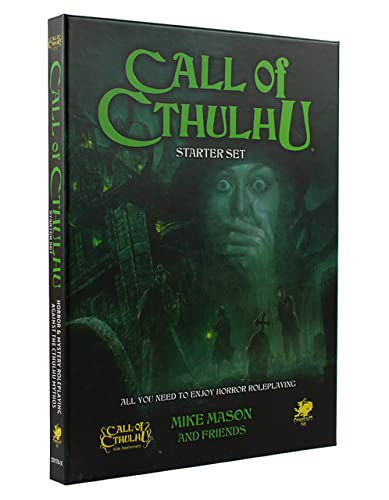
The Quick-Start Rules effectively distill the core mechanics and atmosphere of the game into an approachable format, allowing new players to grasp the basics quickly while gradually introducing more complex elements. This gentle learning curve, combined with the intuitive percentile system, makes the game surprisingly accessible despite its rich depth.
8. Adventures Ready to Run
One of Call of Cthulhu’s greatest strengths is its vast library of published scenarios and expansion books. From classic campaigns like “Masks of Nyarlathotep” to modern gems like “The Things We Leave Behind,” these pre-written adventures offer well-crafted narratives that showcase the game’s potential. These scenarios range from one-shot investigations perfect for a single evening to epic campaigns that can span months of play.
The quality and variety of these published scenarios make Call of Cthulhu particularly friendly to new Keepers. Many scenarios include detailed notes, handouts, and guidance for running effective horror games, serving as both adventures and teaching tools for mastering the art of creating compelling investigative horror.
9. Timeless Horror
While the 1920s is the default setting, Call of Cthulhu’s flexibility allows for horror across any era. Whether you’re interested in Victorian gaslight mysteries, modern-day investigations, or even future scenarios, the game’s core mechanics and themes adapt seamlessly. This temporal flexibility allows groups to explore different facets of cosmic horror while maintaining the game’s essential elements.
Each era offers unique challenges and opportunities for horror storytelling. A modern setting might deal with the internet’s role in spreading cosmic knowledge, while a Victorian game might focus on the clash between industrial progress and ancient horrors. This adaptability ensures that Call of Cthulhu remains fresh and relevant regardless of the chosen time period.
10. The Heart of Horror
At its core, Call of Cthulhu is more than just a game – it’s an engine for creating memorable horror experiences. The game excels at building atmosphere through its mechanics, emphasizing the psychological impact of encountering the unknown. It’s designed to create an escalating sense of dread as investigators uncover increasingly disturbing truths about their reality.
This focus on horror goes beyond simple scares. The game deals with themes of humanity’s place in the cosmos, the price of knowledge, and the fragility of sanity. These deeper elements, combined with the game’s mechanical support for horror storytelling, create an experience that can be both terrifying and thought-provoking.
Call of Cthulhu’s enduring popularity stems from its unique blend of investigation, horror, and storytelling. Whether you’re drawn to the historical settings, the investigative gameplay, or the cosmic horror themes, the game offers a distinctive tabletop experience that has influenced the roleplaying hobby for generations. Its accessibility, combined with its depth and flexibility, makes it an excellent choice for anyone interested in exploring the darker sides of roleplaying games.
Want to go beyond Call of Cthulhu? Check out these alternatives you might love.
RPG news, GM tips, and system deep dives — straight to your inbox, no filler.


